Cold weather increases EV energy use through heating, higher drag from winter aerodynamics, and greater battery internal resistance. Efficiency shifts as thermal management strategies and preconditioning come into play. Real-world numbers vary with climate, driving style, and route. This guide outlines the key drivers and practical steps to limit winter losses, from moderating high-draw loads to strategic charging. The balance between comfort and range hinges on careful planning and monitoring, leaving readers with concrete questions about their own setups.
What Drives EV Range in Cold Weather
Cold weather reduces EV range primarily through higher energy use for heating, increased air resistance, and greater battery internal resistance.
The most impactful factors are high voltage system power draw and thermal demand, which elevate overall energy consumption.
Range sensitivity varies with vehicle design, insulation, and climate control strategies, but the data consistently show heating and efficiency losses driven by cold operation.
How Batteries Respond: Efficiency, Heating, and Thermal Losses
Battery performance under cold conditions hinges on how energy is managed within the battery pack and the thermal system. The analysis focuses on batteries efficiency, heating effects, and thermally induced constraints. When temps drop, heating needs rise, increasing thermal losses and reducing available capacity. Efficient thermal management minimizes losses, stabilizes performance, and preserves range consistency across cold driving scenarios.
Real-World Impact: From Display Numbers to Driving Scenarios
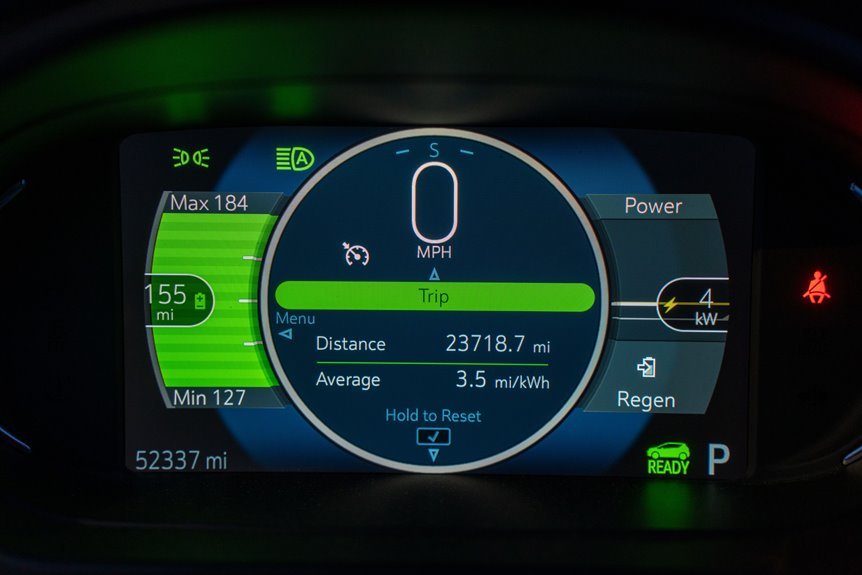
Real-world EV range under cold conditions translates more directly to drivers than to lab figures, as display estimates, trip planning, and driving behavior all interact with temperature effects.
Range considerations reveal how climate effects shape decisions, from route choice to charging strategy, highlighting variability and uncertainties.
Consistent data supports practical planning, acknowledging that experiences depend on climate context and individual driving patterns.
Practical Steps to Minimize Winter Range Loss
A practical approach to preserving winter range focuses on measurable adjustments in vehicle use and charging habits.
Drivers can optimize cold weather efficiency by preconditioning, limiting high-draw accessories, and planning routes with moderate speeds.
Regular charging to 80% during cold spells reduces volatility.
Battery heating improves consistency; use scheduled preconditioning to bring cells to optimal temperature before departure.
How to Plan Trips and Monitor Comfort vs. Range
Trips in cold weather require balancing comfort and range with real-time data. The guide outlines a disciplined approach to winter planning and route assessment, prioritizing essential metrics and predictable delays. It emphasizes monitoring comfort monitoring needs (seat warmth, cabin climate) while tracking energy usage, charging stops, and weather shifts. Data-driven decisions support freedom without compromising safety or efficiency.
Frequently Asked Questions
How Do Weather Conditions Other Than Cold Affect Range?
Weather conditions beyond cold influence range; heatwaves, humidity effects, and air density alter energy use. In summer, higher cooling loads reduce efficiency; humidity can raise AC usage. Data shows moderate fluctuations, with drivers benefiting from preconditioning and efficient climate control.
Do Winter Range Losses Apply Equally to Hybrids and EVS?
Winter range losses are not identical; EV range suffers more due to battery cooling, while hybrids mitigate some impact via engine warmth. Overall, ev range decline tends to be greater, hybrid efficiency partially cushions cold-weather penalties.
Can Battery Aging Amplify Cold-Weather Range Decline?
Battery aging can amplify cold-weather range decline through higher internal resistance and more pronounced thermal throttling, reducing available capacity. The data suggest aging accelerates losses, especially in extreme temperatures, underscoring practical considerations for long-term EV freedom seekers.
How Does Charging Speed Change in Extreme Cold?
In extreme cold, charging speed typically slows due to battery protection measures and thermal management, reducing charging rate temporarily. Data show gradual recovery as temperature rises; users should plan slower charging sessions and monitor temperature to optimize cold weather charging efficiency.
What Is the Role of Tire Pressure in Winter Range?
Like a tightrope walker, tire pressure stabilizes winter range. The role of tire pressure is practical: higher, correct winter pressure reduces rolling resistance; underinflation raises rolling resistance and lowers efficiency. Tires rolling operate more efficiently at prescribed winter pressure.
Conclusion
In cold conditions, EV range hinges on a balance of energy dedicated to heating, battery losses, and aerodynamic drag, all of which rise as temperatures fall. A practical anecdote: a midwest commuter found that preconditioning the cabin while still plugged in reduced winter drain by about 15% compared to starting after unplugging. This mirrors the data: charging to 80% during cold spells stabilizes range, while moderating high-draw loads and choosing moderate speeds preserves efficiency. Planning and monitoring remain essential.