

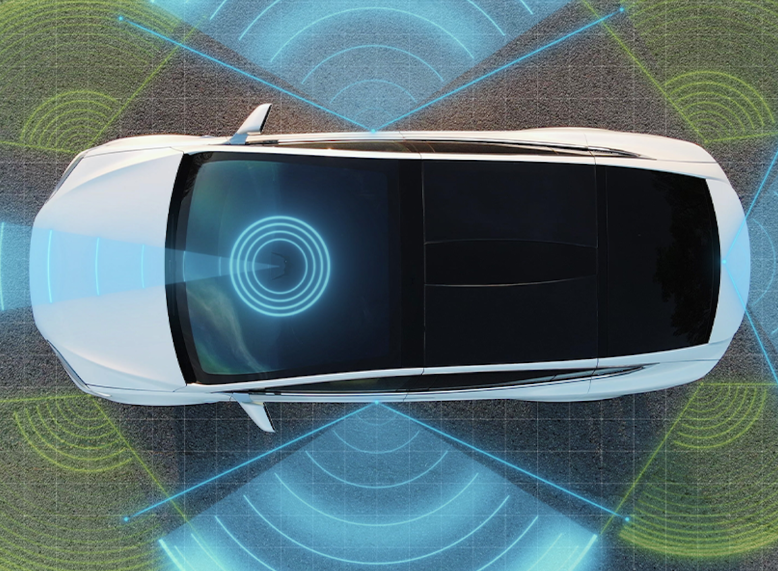
Automotive IR LED technology is transforming night-time driver recognition systems, providing accurate detection and enhanced safety even in low-light conditions. By emitting infrared light invisible to the human eye, these LEDs allow advanced sensors to monitor driver alertness and identity without distraction. In this article, we explore how automotive IR LED solutions improve both security and performance in modern vehicles.
What Are Automotive IR LEDs?
Infrared (IR) LEDs are light-emitting diodes that produce infrared light, which is invisible to the human eye. In cars, these LEDs are used to illuminate the cabin or driver in a way that cameras and sensors can detect, even in complete darkness.
Why IR LEDs Are Important
- Works in Darkness: IR LEDs provide invisible illumination, letting sensors monitor the cabin even in total darkness without disturbing passengers.
- High Precision: Can detect subtle movements like eyelid closure or hand gestures.
- Compact and Flexible: Small LED sizes allow integration into tight spaces in modern car cabins.
- Reliable Monitoring: Provides consistent detection regardless of ambient lighting conditions.
Automotive IR LEDs are essential for smart car cabins. They help safely monitor drivers and passengers for a more convenient in-cabin experience.
Night-Time Driver Recognition Systems
Night-time driver recognition systems are advanced in-cabin technologies designed to identify and monitor drivers during low-light or nighttime conditions. These systems enhance both safety and security by ensuring that the correct driver is behind the wheel while continuously monitoring alertness and behavior.
Core Components
- Infrared (IR) LEDs: Provide invisible illumination to the driver’s face and upper body. Enable reliable image capture in complete darkness or low-light environments.
- Near-Infrared Cameras: Capture images or video of the driver using reflected IR light. Sensitive to IR wavelengths (typically 850–940 nm) for accurate feature detection.
- AI-Powered Algorithms: Analyze captured images to identify the driver through facial recognition. Detect eye gaze, eyelid closure, head position, and micro-movements to assess alertness. Can recognize gestures for hands-free control of vehicle systems.
Key Functions
- Driver Identification: Confirms the identity of the person in the driver’s seat. Enables personalized settings (seat position, infotainment preferences) and secure vehicle access.
- Alertness Monitoring: Detects drowsiness or distraction by analyzing eye closure, blinking patterns, and head movements. Triggers warnings or interventions to prevent accidents.
- Behavior and Gesture Recognition: Supports touchless control of infotainment, climate, or navigation systems. Enhances convenience while minimizing driver distraction.
See also: Choosing the Best Auto Glass Replacement in Lincoln, CA
Importance of IR LEDs in Night-Time Systems
- IR LEDs illuminate the driver without visible light, avoiding distraction.
- They ensure consistent performance regardless of cabin lighting conditions.
- Provide the foundation for AI-driven analysis, improving recognition accuracy and system reliability.
Benefits
- Enhanced Safety: Continuous monitoring helps detect driver fatigue or distraction, reducing the risk of accidents.
- Improved Security: Biometric driver recognition ensures that only authorized users can start or access the vehicle, preventing unauthorized use.
- User Convenience: Personalized settings and gesture-based controls improve the in-cabin experience.
Night-time driver recognition uses IR LEDs, sensors, and AI to identify drivers accurately in low-light conditions.
How IR LEDs Enhance Night-Time Driver Recognition
Infrared (IR) LEDs are a key enabler for night-time driver recognition systems, providing the invisible illumination necessary for cameras and sensors to function effectively in low-light conditions. By emitting near-infrared light, these LEDs allow advanced driver monitoring and identification without disturbing the driver.
- Illuminating the Driver’s Face: IR LEDs shine light on the driver’s face that is invisible to the human eye. The reflected IR light is captured by near-infrared cameras, producing high-contrast images even in complete darkness. This enables accurate facial recognition for driver identification and personalization of vehicle settings.
- Monitoring Driver Alertness: IR illumination allows sensors to track subtle facial movements, such as eye gaze, eyelid closure, and head orientation. Algorithms use this data to detect fatigue, drowsiness, or distraction, issuing warnings or triggering safety interventions if necessary. Continuous IR-based monitoring ensures consistent detection regardless of ambient lighting.
- Supporting Biometric Security: IR LEDs provide reliable light for facial recognition, even at night or in low-light conditions. This helps ensure that only authorized drivers can unlock or start the vehicle.
- Enabling Gesture Recognition: IR LEDs make it possible for car sensors to detect hand gestures even in the dark. This lets drivers control infotainment, climate, or navigation systems without touching buttons.
- Reliable in all lighting conditions: IR LEDs ensure accurate monitoring of drivers and passengers, working effectively in daylight, low light, dusk, or nighttime conditions.
- Energy-efficient: Modern automotive IR LEDs use very little power, allowing them to operate continuously without draining the vehicle’s battery.
IR LEDs help detect the driver at night, monitor alertness, support security, and recognize gestures. They make the car cabin safer, smarter, and easier to use in low-light conditions.
Advantages of Automotive IR LED Technology
Automotive infrared (IR) LED technology provides essential illumination for in-cabin sensing and driver recognition systems, offering a range of benefits that improve safety, reliability, and user experience.
- Works in Low-Light Conditions: IR LEDs emit invisible light, allowing sensors and cameras to detect drivers and passengers even in complete darkness, making night-time monitoring reliable.
- High Precision Monitoring: They can capture subtle movements, such as eyelid closure for drowsiness detection or hand gestures for infotainment control, which visible-light cameras often miss.
- Compact and Flexible: IR LEDs are small and easy to integrate into limited spaces within vehicle cabins, enabling multi-functional sensing modules without affecting interior design.
- Enhanced Safety: IR LEDs improve vehicle safety by enabling continuous monitoring of drivers and passengers. They monitor driver alertness, seatbelt use, and help optimize airbags to enhance safety.
- Comfort and Convenience: They enable features like gesture recognition and personalized driver settings without intrusive lighting, improving the overall user experience.
- Reliable Performance: IR LEDs provide consistent illumination that is unaffected by changing sunlight or shadows, ensuring accurate sensing at all times.
Automotive IR LEDs give cars invisible, dependable light that helps monitor drivers and power smart in-cabin features efficiently. They significantly enhance both safety and user experience in vehicles.
Industry Applications
1. Driver Monitoring Systems (DMS)
- Detects drowsiness, fatigue, and distraction.
- Tracks driver gaze and attention for safety alerts.
- Supports driver identification for personalization and security.
2. Occupant Monitoring Systems (OMS)
- Detects passenger presence and posture.
- Monitors seatbelt use and child seat placement.
- Helps optimize airbag deployment based on occupancy.
3. Gesture Recognition and Human-Machine Interfaces
- Enables touchless control of infotainment systems, climate control, and other cabin functions.
- Supports natural and intuitive interaction inside the vehicle.
4. Night Vision and Surround Sensing
- Enhances night vision systems for detecting pedestrians, animals, or obstacles.
- Improves camera-based safety features in low-light conditions.
5. Smart Cabin and Future Mobility Applications
- Enables multi-functional sensors for advanced safety, convenience, and autonomous driving support.
- Supports AI-driven in-cabin monitoring and personalized passenger experiences.
Automotive IR LEDs enhance safety, comfort, and smart cabin features in modern vehicles.


