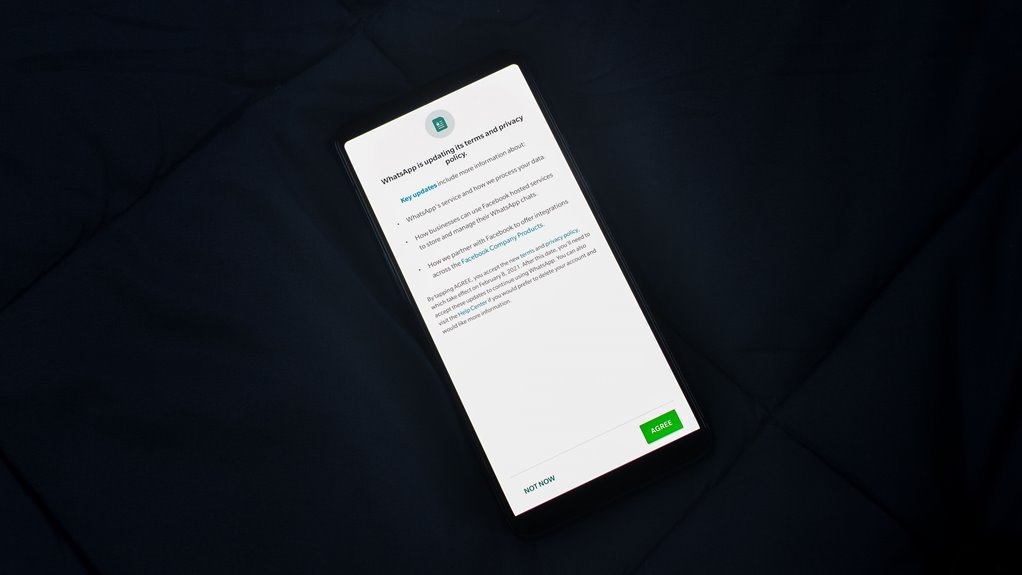
In reviewing app permissions, a careful observer maps what data each feature truly needs. The approach distinguishes essential from optional access, checks location, mic, camera, and file permissions, and scrutinizes background activity. It weighs third-party SDKs and the clarity of consent, then tests quick, actionable controls and on-device processing. The aim is ongoing privacy hygiene, with recall of stale rights and clear user toggles. The result invites further questions about how these checks hold up in practice.
Identify the Permissions You Really Use
To identify the permissions that truly matter, start by listing all the app’s requested access and then cross-check each item against actual usage patterns.
The assessment focuses on identifying used permissions and minimizing unnecessary access, revealing where exposure is avoidable.
This method promotes a lean permission set, empowering users to reclaim control without compromising essential functionality or freedom.
Review Location and Microphone Access Thoroughly
Reviewing location and microphone access requires a careful audit that builds on identifying which permissions are actually used. The reviewer separates essential from optional features, examining how location tracking and microphone sharing are implemented. Attention centers on data flow, consent clarity, and potential overreach. Findings focus on minimizing access, disabling unnecessary hooks, and providing transparent controls for freedom-loving users.
Inspect Background Data and Battery/Network Usage
Background data and resource usage require a focused audit to determine how background activity affects performance and privacy.
Inspecting background data reveals which apps engage in background tracking, consuming battery and network resources.
Analysts assess battery impact, monitor data transfers, and identify idle drains.
This evidence supports informed decisions about permissions, helping users preserve control, speed, and freedom from intrusive background processes.
Audit Camera Access and File/Media Permissions
The assessment begins with a Camera Access Audit to determine when and why apps request camera hardware.
A Media Permissions Review follows, focusing on which files or folders are accessible and how they are used.
This App Data Exposure Check aims to reveal unnecessary exposure and guide tighter permission controls.
Camera Access Audit
A camera access audit investigates which apps request camera permissions and whether those requests align with the app’s stated purpose, ensuring personal images and videos are not exposed unnecessarily.
It emphasizes privacy hygiene and robust permission controls, encouraging users to review declinations and justifications.
The audit reveals gaps, guiding tightened settings, informed consent, and disciplined app selection for freedom-minded individuals.
Media Permissions Review
Media Permissions Review broadens the scope from camera-specific checks to encompass how apps access both media files and live camera streams. It assesses privacy hygiene by auditing file access, storage choices, and cross-app data sharing, while focusing on data minimization.
The approach remains concise, investigative, and accessible, empowering users who seek freedom to control personal data without friction.
App Data Exposure Check
Aiming to minimize exposure, the App Data Exposure Check audits how apps access cameras and manage file/media permissions, focusing on scope, necessity, and potential cross-app data sharing.
This concise, investigative review examines privacy controls, highlights overreach, and evaluates data minimization practices, ensuring users understand how permissions shape freedom, control, and surveillance risk across installed applications.
Examine Third-Party Integrations and SDKs
Third-party risk assessment should be a basic checkpoint when integrating SDKs, focusing on what data is accessed, stored, or transmitted.
Scrutiny of SDK data access practices reveals how third parties can impact user privacy beyond the app itself.
The discussion should map risk profiles across providers and establish verification steps for permissions, updates, and data-sharing disclosures.
Third-Party Risk Assessment
Assessing the risk posed by third-party integrations and SDKs is essential to understanding how external code may access user data. The review concentrates on governance structures, code provenance, and contract terms, rather than surface features.
It emphasizes privacy governance and vendor risk management, noting that ongoing monitoring reveals hidden access points and data flows, guiding safer, freer app ecosystems.
SDK Data Access Practices
The focus shifts to SDK data access practices, examining how third-party integrations and software development kits influence user data exposure. Investigators probe privacy contracts and consent notices, seeking transparency about collected data, usage, and sharing. Emphasis rests on data minimization and restricted access. Clear agreements, ongoing audits, and configurable permissions empower users to reclaim control without sacrificing functionality.
Implement Quick, Actionable Permission Controls
Implement quick, actionable permission controls by prioritizing user-centered toggles and clear, immediate effects. The approach focuses on lightweight, transparent choices that reveal impact and invite informed decisions. Researchers note that permission audits illuminate gaps, while streamlined prompts reinforce user consent. Interfaces should expose consequences plainly, enabling rapid toggling and post-change verification without sacrificing accessibility or freedom of exploration.
Establish Ongoing Monitoring and Privacy Hygiene
To maintain trust and data sovereignty, ongoing monitoring and privacy hygiene require a disciplined, repeatable process that can catch drift before it becomes exposure.
This approach treats permissions as living signals: log changes, audit access, and flag anomalies.
Privacy hygiene emerges from routine reviews, transparent criteria, and timely revocation, ensuring freedom from creeping data exposure and unnoticed risk.
Frequently Asked Questions
How Do Permissions Affect App Data You Don’T Directly Grant?
Permissions can indirectly affect data by enabling access to connected services and observed behaviors, expanding privacy impact beyond explicit grants, leading to broader data exposure. The question explores how such mechanisms translate technical permissions into consequential personal data risks.
Can Users Opt Out of Analytics Without Losing Functionality?
Yes, users can opt out analytics and maintain core functionality; some features may require temporary permissions, but privacy-focused defaults often preserve essential use while offering opt out analytics as a selectable preference.
Are There Hidden Permissions Not Shown in Prompts?
Hidden prompts and stealth permissions exist, though not always visible. The investigation reveals prompts may be buried in settings or vendor disclosures, requiring careful examination; awareness empowers users to demand transparency, control, and freedom from covert data access.
How Often Should Permissions Be Reviewed for Saas Apps?
The review frequency for SaaS apps should align with risk and change drivers, typically quarterly. An audit cadence establishes checks for new permissions, updates, and vendor changes, ensuring ongoing visibility and compliance while preserving organizational freedom and security.
What Are Best Practices for Granting Temporary Permissions?
Temporary access should be granted with strict least-privilege, time-bound windows, automatic revocation, and audit trails. Best practices emphasize justification, approval workflows, multi-factor checks, and periodic reviews; freedom-minded teams balance agility with disciplined, reversible permissions.
Conclusion
In a quiet harbor, a captain sorts the ships’ sails—essential on the main voyage, optional ones cast aside. Nearby, a lighthouse keeper notes every beacon’s glow, distinguishing needed light from distracting glare. The fog lifts only when every helm is questioned, every route logged, every cargo transparent. Thus, the fleet learns: permission is ballast, not cargo. When kept lean and monitored, journeys are safer, and privacy remains the true compass guiding every voyage.