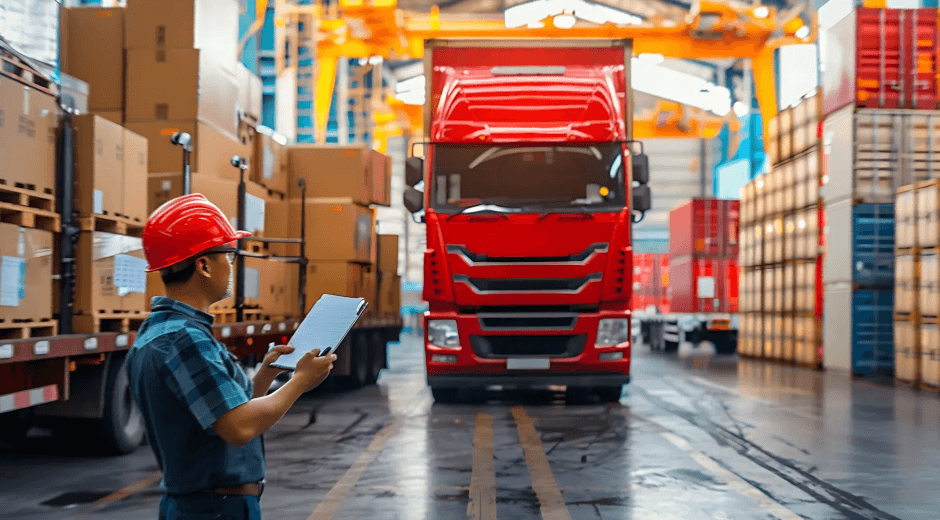
Australia’s vast size creates challenges for businesses moving freight between cities, regional centres and industrial hubs. Linehaul transportation refers to moving goods over long distances between depots, distribution centres and metropolitan areas using planned routes and vehicles.
Local services may complete collection or final delivery, while direct options can reduce transfers and handling. For manufacturers, retailers, wholesalers and construction companies, dependable interstate freight helps maintain stock levels, meet delivery commitments and avoid costly disruptions.
How Does Linehaul Support Australian Businesses?
Reliable Interstate Connections
Companies operating across multiple states need consistent links between suppliers, warehouses, project sites and customers. Scheduled services provide predictable collection and delivery timeframes, making it easier to plan inventory, production and customer orders.
Improved Cost Efficiency
Consolidating freight into larger loads can reduce long-distance transport costs. Depending on the route, load size, urgency and service requirements, companies may lower labour expenses compared with arranging smaller trips.
Efficient vehicle use can also minimise unused space and support cost-effective rates for regular consignments.
Which Industries Depend on Long-Distance Freight?
Retailers and wholesalers rely on regular stock movements to keep stores supplied, fulfil online orders and support promotions. Manufacturers need raw materials, components and finished products to arrive on time, while construction companies depend on machinery, equipment and building materials.
Because delays can interrupt production or stop work at a project site, accurate scheduling, suitable vehicles and clear communication are essential. Reliable linehaul transportation helps these industries manage regular, high-volume or time-sensitive freight movements efficiently.
How Should a Business Choose a Freight Provider?
Businesses should consider more than price when selecting a provider. The company should offer vehicles suited to the freight’s dimensions, weight and handling needs, with coverage for the required route.
Professional operators should comply with applicable road-safety, fatigue-management, vehicle-maintenance and load-restraint requirements. Customers should also look for shipment updates, proof of delivery, responsive support and clear delay-management plans.
Before booking, provide accurate details about freight dimensions, weight, locations, site access, loading needs, handling instructions and delivery timeframes. Complete information helps the provider select the right vehicle, prepare an accurate quote and plan efficiently.
See also: Business Authority 2026838184 Online Blueprint
How DSE Transport Supports Interstate Freight
DSE Transport provides linehaul and interstate freight solutions tailored to different loads, routes and delivery requirements. Its team can help businesses select an appropriate option and coordinate metropolitan, regional or interstate movements.
Summary
Linehaul transportation connects major freight locations, supports interstate deliveries and helps businesses maintain stock availability. Choosing an experienced transport service provider with suitable vehicles, clear scheduling and strong communication can improve delivery performance and simplify freight management.
Media Contact
DSE Transport
Address: 74 Gardens Rd, WILLAWONG QLD 4110
Tel :(07) 3274 1833
ops.qld@dsetrucks.com.au