Storing temperature-sensitive medicines demands clear standards and reliable routines. Begin by confirming each product’s labeled range and translating it into a practical, monitorable window. Use calibrated thermometers and labeled containers, maintain consistent conditions, and log each reading with timestamps. Monitor for drift, respond to deviations promptly, and quarantine affected items. The topic demands disciplined leadership and precise execution to safeguard potency and patient safety, inviting a closer look at practical steps, tools, and thresholds.
What “Temperature-Sensitive” Medicines Require
What medicines are considered temperature-sensitive, and why does that classification matter? Temperature-sensitive medicines include vaccines, biologics, insulin, and certain antibiotics that degrade with heat or freezing. They require careful handling to preserve potency.
Temp sensitive formulations mandate strict storage requirements, routinely documented temperature logs, and adherence to labeled ranges. Proper storage requirements minimize potency loss, ensure efficacy, and protect patient safety while preserving therapeutic integrity.
How to Know and Set the Ideal Storage Range
Determining and configuring the proper storage range begins with identifying the official temperature specifications for each medicine, then translating those specifications into a practical, monitorable range. The process relies on verified data, temperature labeling, and clear thresholds. Boundaries are defined, documented, and regularly verified to maintain consistency. Storage ranges guide inventory decisions, while precise labeling supports quick, confident responses during routine handling and emergencies.
Everyday Tools for Reliable Storage Care
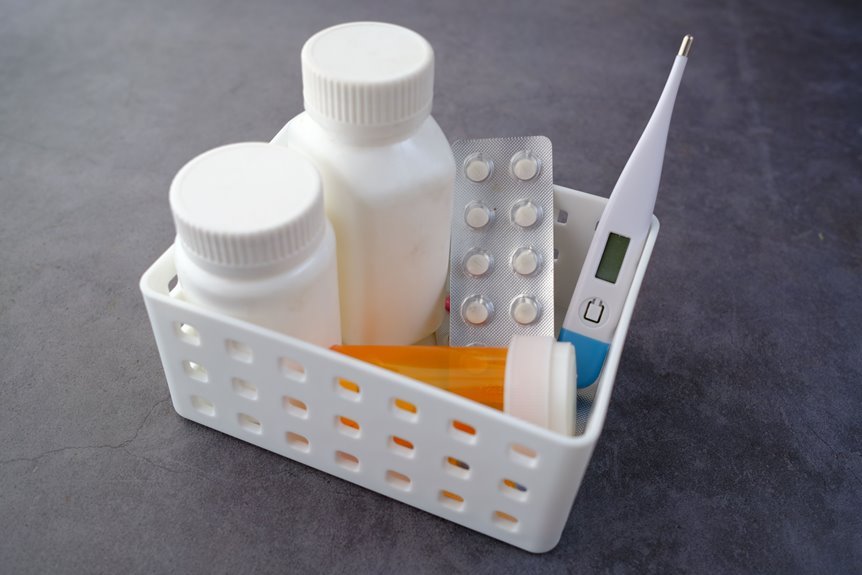
Effective storage relies on dependable everyday tools that support consistent monitoring and rapid verification. Simple instruments enable quick checks of temperature and condition, minimizing risk. Refrigeration basics inform appropriate equipment choices, while portable storage solutions extend reliability beyond fixed sites. Durable thermometers, labeling, and data logs provide traceable records, supporting confidence. Proper tool use reduces errors, enhances compliance, and promotes safe, uninterrupted medicine integrity.
How to Monitor Temps and Recognize Drift
Regular temperature monitoring is essential to detect small deviations before they affect medicine integrity. The article presents consistent monitoring methods, documenting readings and timestamps to establish baselines. It emphasizes drift recognition through trend analysis, comparing current data to established ranges. Clear thresholds prompt alerts, informing when recalibration or replacement is necessary. This approach supports reliability while preserving user autonomy and confidence.
Quick Actions When Conditions Drift or Mistakes Happen
When conditions drift or mistakes occur, immediate, structured steps minimize impact on medicine quality and patient safety. Quick actions should be predefined: verify current temperatures, document readings, and switch to backup storage if available. Notify responsible personnel, assess container integrity, and quarantine affected items.
Temperature drift requires revalidation of monitoring devices and a concise corrective action log for traceability.
Frequently Asked Questions
How Long Do Meds Stay Effective After Temperature Excursions?
Meds may lose potency after temperature excursion timelines vary by drug; many retain some efficacy but degrade with time. The duration depends on formulation, storage conditions, and excursions, so medication degradation rates should be assessed case-by-case.
Are There Exceptions for Non-Thermally Stable Vaccines?
Exceptions for non thermally stable vaccines exist, but they are limited and case-driven; cold chain disruptions trigger stringent corrective actions, risk assessments, and regulatory review to safeguard efficacy and public health.
Can Home Fridges Replace Medical-Grade Storage Devices?
Home fridges cannot replace medical-grade storage devices; they risk improper control. Change in storage conditions may occur, increasing the risk of degradation, compromising potency and safety for temperature-sensitive medicines. Professional equipment remains essential for reliable, compliant preservation.
What’s the Cost of Professional Storage Equipment?
A clear answer: professional storage equipment costs vary, typically from several thousand to tens of thousands of dollars depending on capacity, features, and compliance. It requires ongoing equipment maintenance and precise professional labeling to ensure reliability.
Do Temperature Logs Require Regulatory Approval?
Temperature logs do not require regulatory approval themselves; however, they support regulatory approval by ensuring traceability. They aid batch labeling and supply chain compliance, aligning practices with standards while permitting a measured, freedom-oriented approach to quality management.
Conclusion
In the quiet hum of the lab, the thermometer glows like a steady compass, guiding care with measured breaths of air. Labels catch the light, doors shut with deliberate certainty, and records accumulate like a ledger of trust. When drift threatens, backups stir to life, and seconds become safeguards. Each item rests in its precise chill or warmth, a patient pulse of precision. Accuracy, vigilance, and prompt action seal the chain from shelf to patient.