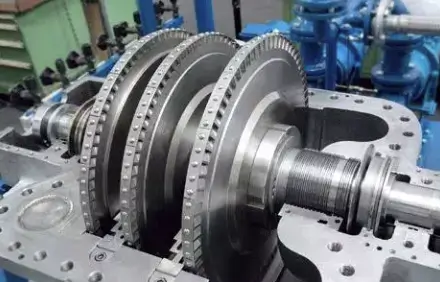
In power generation and industrial operations, turbines are among the most valuable and performance-critical assets. Whether operating in simple-cycle gas plants, combined-cycle facilities, or steam-driven systems, turbines must deliver consistent output, efficiency, and reliability under demanding conditions. While much attention is given to large components like rotors and blades, smaller elements—such as fuel nozzles—play an equally vital role in maintaining system health.
Over time, fuel nozzles are exposed to extreme temperatures, pressure variations, and fuel impurities. These conditions lead to wear, carbon buildup, and performance degradation. Instead of opting for costly replacements, many operators are turning to fuel nozzle repair services as a smarter, more cost-effective strategy to extend turbine life and improve operational reliability.
This article explores how professional repair services contribute to lifecycle extension, reduce outages, and deliver strong return on investment (ROI) for both gas and steam turbine systems.
The Role of Fuel Nozzles in Turbine Systems
Fuel nozzles are responsible for delivering fuel into the combustion chamber in a controlled and precise manner. In gas turbines, they atomize fuel and ensure proper mixing with air for efficient combustion. In steam turbine systems—particularly those integrated into combined-cycle plants—fuel nozzles are critical to upstream combustion processes that ultimately drive steam production.
When fuel nozzles operate correctly, they help achieve:
- Efficient fuel combustion
- Stable flame patterns
- Reduced emissions
- Optimal turbine output
However, when these components degrade, they can disrupt the entire combustion process, leading to inefficiencies and increased mechanical stress across the system.
Common Causes of Fuel Nozzle Degradation
Understanding why fuel nozzles fail highlights the importance of timely repair and maintenance. Some of the most common issues include:
Carbon Buildup and Fouling
Deposits form due to incomplete combustion or fuel impurities, restricting flow and altering spray patterns.
Thermal Fatigue
Repeated heating and cooling cycles weaken materials, causing cracks or deformation.
Erosion and Corrosion
High-velocity fuel flow and chemical reactions gradually wear down internal surfaces.
Blockages and Contamination
Particles and debris can clog nozzle passages, leading to uneven fuel distribution.
If left unaddressed, these issues can escalate, impacting not only the nozzle but also surrounding turbine components.
How Fuel Nozzle Repair Services Extend Equipment Life
Professional fuel nozzle repair services are designed to restore nozzles to their original or near-original performance levels. These services involve a combination of advanced diagnostics, cleaning, reconditioning, and testing processes.
1. Restoring Original Performance Standards
Repair services typically include:
- Ultrasonic or chemical cleaning to remove deposits
- Dimensional restoration to correct wear
- Replacement of damaged internal components
- Precision recalibration and flow testing
By restoring proper fuel flow and spray characteristics, repaired nozzles enable turbines to operate as intended, reducing stress on critical components.
2. Preventing Secondary Damage
Faulty fuel nozzles can create hot spots, uneven combustion, and pressure imbalances. These issues can damage:
- Combustion liners
- Transition pieces
- Turbine blades
Timely repairs eliminate these risks, protecting high-value components and extending the overall lifespan of the turbine system.
3. Supporting Consistent Combustion
Consistent combustion is essential for both performance and emissions control. Repaired nozzles ensure uniform fuel distribution, leading to:
- Stable flame patterns
- Reduced vibration
- Lower thermal stress
This stability translates into longer operational life for the turbine and its associated systems.
Benefits for Gas and Steam Turbine Systems
While fuel nozzles are most commonly associated with gas turbines, their impact extends to steam turbine operations as well—especially in combined-cycle plants where gas turbines generate the heat needed to produce steam.
Gas Turbine Advantages
For gas turbines, fuel nozzle repair services deliver:
- Improved combustion efficiency
- Lower fuel consumption
- Reduced emissions (NOx, CO)
- Enhanced reliability during peak loads
Maintaining optimal nozzle performance ensures that gas turbines can meet both operational and regulatory demands.
Steam Turbine System Benefits
In steam turbine setups, particularly those relying on heat recovery steam generators (HRSGs), the quality of combustion upstream directly affects steam production.
Effective steam turbine fuel nozzle repair contributes to:
- Consistent heat generation
- Stable steam output
- Reduced thermal fluctuations
- Improved efficiency of the entire cycle
By maintaining the integrity of the combustion process, repaired nozzles indirectly enhance the performance and longevity of steam turbines.
Reducing Outages and Improving Reliability
Unplanned outages are one of the most significant challenges in power generation. They not only disrupt operations but also result in substantial financial losses.
Minimizing Unexpected Failures
Routine repair and inspection of fuel nozzles help identify potential issues before they lead to failure. This proactive approach reduces the likelihood of:
- Sudden shutdowns
- Emergency repairs
- Production losses
Extending Maintenance Intervals
Well-maintained and properly repaired nozzles can operate efficiently for longer periods, allowing operators to extend maintenance intervals without compromising performance.
Enhancing Predictability
Reliable fuel nozzle performance leads to more predictable turbine behavior. This consistency is crucial for planning maintenance schedules and optimizing plant operations.
Cost vs. Replacement: A Strategic Comparison
One of the key considerations for decision-makers is whether to repair or replace fuel nozzles. While replacement may seem like a straightforward solution, it often comes with higher costs and longer lead times.
Cost Advantages of Repair Services
- Lower upfront cost: Repairing nozzles is significantly less expensive than purchasing new ones.
- Reduced downtime: Faster turnaround times minimize operational disruptions.
- Extended asset life: Repairs delay the need for capital-intensive replacements.
When Replacement May Be Necessary
Replacement is typically considered when:
- Structural damage is beyond repair
- Materials have reached end-of-life limits
- Upgrades are required for new operational standards
However, in many cases, professional repair services can restore nozzles to a condition that meets or exceeds performance requirements.
ROI Perspective
From an ROI standpoint, fuel nozzle repair services offer a compelling value proposition:
- Immediate cost savings compared to replacement
- Long-term efficiency improvements
- Reduced risk of expensive failures
For large-scale operations, these benefits can translate into millions of dollars in savings over the lifecycle of the equipment.
See also: Loan Options When Buying Your First Home
The Role of Expertise and Advanced Technology
Not all repair services are created equal. The effectiveness of fuel nozzle repairs depends heavily on the expertise and technology used by service providers.
Advanced Diagnostic Tools
Modern repair facilities use:
- Flow testing systems
- Non-destructive testing (NDT) methods
- Precision measurement tools
These technologies ensure accurate assessment and high-quality repairs.
Engineering Expertise
Experienced engineers understand the complexities of turbine systems and can identify underlying issues that may not be immediately visible. Their insights help optimize repair strategies and improve long-term performance.
Quality Assurance and Testing
Comprehensive testing ensures that repaired nozzles meet strict performance standards before being reinstalled. This includes:
- Flow verification
- Spray pattern analysis
- Pressure testing
Lifecycle Management and Sustainability
In today’s energy landscape, lifecycle management is becoming increasingly important. Operators are under pressure to maximize asset utilization while minimizing environmental impact.
Extending Asset Lifespan
Repair services support lifecycle management by:
- Reducing the need for new manufacturing
- Minimizing material waste
- Extending the usability of existing components
Supporting Sustainability Goals
By choosing repair over replacement, companies can:
- Lower their carbon footprint
- Reduce resource consumption
- Align with environmental and sustainability targets
Best Practices for Implementing Repair Strategies
To maximize the benefits of fuel nozzle repair services, operators should adopt a structured approach:
- Schedule regular inspections and performance evaluations
- Monitor combustion efficiency and emissions data
- Partner with experienced and reputable service providers
- Maintain detailed records of repairs and performance metrics
- Integrate repair strategies into overall maintenance planning
These practices ensure that repair efforts deliver consistent and measurable results.
Conclusion
Fuel nozzles may be small components, but their impact on turbine performance, reliability, and lifespan is significant. Neglecting their condition can lead to inefficiencies, increased emissions, and costly failures. On the other hand, investing in professional fuel nozzle repair services offers a practical and cost-effective solution for maintaining optimal performance.
From restoring combustion efficiency to preventing secondary damage and reducing outages, repair services play a critical role in extending the life of both gas and steam turbine systems. Additionally, when compared to full replacement, repair strategies deliver substantial cost savings and a stronger return on investment.
For plant managers and decision-makers focused on lifecycle management, reliability, and sustainability, the choice is clear: prioritizing repair is not just an operational decision—it is a strategic investment in long-term performance and profitability.