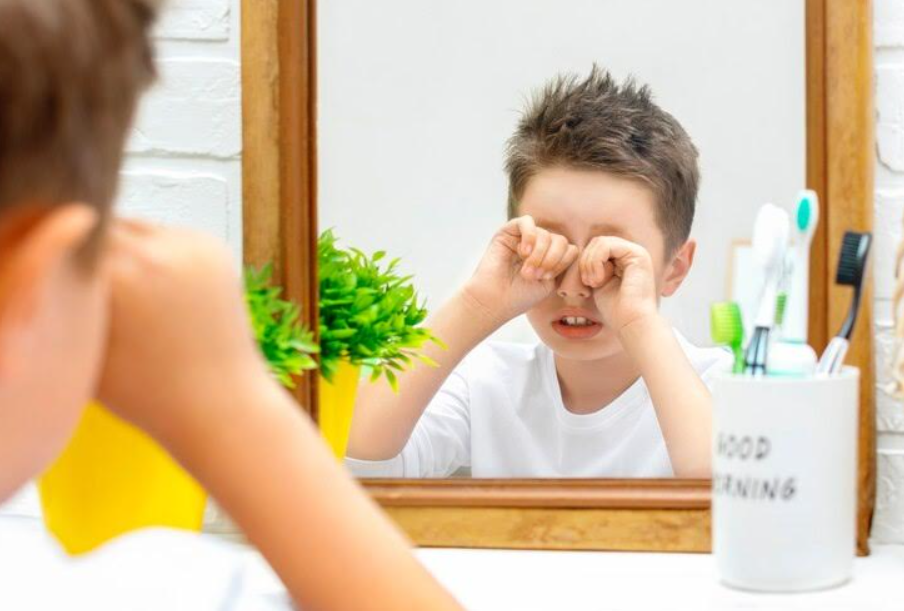
Seasonal changes bring cooler breezes, blooming flowers, and unfortunately for many children, sneezing fits and constantly watering eyes. If your child starts rubbing their eyes, complaining of itchiness, or waking up with puffiness during certain times of the year, seasonal allergies could be the reason. Understanding why this happens and how to manage it can help parents keep their little ones comfortable and active.
What Are Seasonal Allergies?
Seasonal allergies, also known as hay fever or allergic rhinitis, occur when the immune system overreacts to airborne allergens such as pollen, dust, or mold spores. During specific seasons, especially spring and monsoon, these allergens become more prevalent in the environment.
When children inhale or come into contact with these particles, their immune system treats them as harmful invaders. This triggers the release of chemicals that cause symptoms like sneezing, nasal congestion, runny nose, itchy throat, and watery eyes.
See also: Acupuncture: Traditional Healing for Modern Health Issues
Why Do Seasonal Allergies Cause Watery Eyes in Kids?
Watery eyes are one of the most common symptoms of seasonal allergies in children. The eyes are directly exposed to the environment, making them vulnerable to allergens floating in the air.
When pollen or dust particles land on the surface of the eyes, they irritate the thin protective membrane called the conjunctiva. This irritation causes:
- Redness
- Itching
- Swelling
- Excessive tearing
The body produces more tears in an attempt to wash away the allergens. However, this natural defense mechanism results in constant watering, which can make children uncomfortable and distracted in school or play.
In some cases, nasal allergies and eye symptoms occur together because the nose and eyes are connected through tear ducts. This is why children who frequently sneeze or have blocked noses often also experience watery, itchy eyes.
Common Symptoms to Watch For
Parents should look out for the following signs during allergy-prone seasons:
- Frequent sneezing
- Clear, runny nose
- Nasal congestion
- Red, itchy, watery eye
- Puffy eyelids
- Throat irritation
- Increased rubbing of eyes
Unlike a common cold, seasonal allergies usually do not cause fever. Symptoms also tend to last longer, sometimes for weeks, depending on exposure to allergens.
If symptoms are persistent or severe, consulting the best ENT specialist in Coimbatore can help identify triggers and recommend appropriate management strategies tailored for children.
How Seasonal Changes Trigger Allergies
Different seasons bring different allergens:
- Spring: Tree and flower pollen
- Monsoon: Mold growth due to humidity
- Winter: Dust accumulation indoors
Children who spend time outdoors during high-pollen periods are more likely to experience symptoms. Indoor allergens such as dust mites and pet dander can also worsen watery eyes and nasal irritation.
Environmental pollution may further aggravate allergic responses, making symptoms more intense in urban areas.
How Are Seasonal Allergies Diagnosed?
Doctors usually diagnose seasonal allergies based on medical history and symptoms. They may ask questions about:
- When symptoms started
- Whether they occur at the same time every year
- Family history of allergies
- Exposure to pets or dust
In some cases, allergy testing may be suggested to pinpoint specific triggers. Early diagnosis is important because untreated allergies can affect sleep, concentration, and overall quality of life.
If eye symptoms are severe, such as intense redness, light sensitivity, or discharge, it’s advisable to consult the best eye hospital in Coimbatore for a detailed evaluation to rule out infections or other eye conditions.
Tips to Manage Watery Eyes in Kids
Managing seasonal allergies involves reducing exposure and soothing symptoms.
1. Limit Allergen Exposure
- Keep windows closed during high-pollen days
- Use air purifiers indoors
- Encourage children to wash hands and face after outdoor play
- Change clothes after coming home
2. Maintain Eye Hygiene
- Avoid excessive eye rubbing
- Use clean, cool compresses to reduce irritation
- Ensure regular hand washing
3. Keep Indoor Spaces Clean
- Vacuum frequently
- Wash bedding in hot water weekly
- Reduce stuffed toys in sleeping areas
4. Monitor Outdoor vels and limit outdoor activities when counts are high, especially in the early morning.
When to See a Doctor
While mild symptoms can often be managed at home, medical attention is necessary if:
- Symptoms interfere with daily activities
- Sleep is disturbed
- There is persistent eye redness or pain
- Vision changes occur
- Symptoms do not improve over time
Early intervention not only relieves discomfort but also prevents complications such as sinus infections or chronic eye irritation.
Can Seasonal Allergies Be Prevented?
Complete prevention may not always be possible, especially if a child is genetically predisposed to allergies. However, awareness and early management can significantly reduce the severity of symptoms.
Teaching children not to rub their eyes, maintaining a clean home environment, and seeking timely medical guidance can make seasonal transitions much smoother.
Final Thoughts
Seasonal allergies are common in children and often present with watery, itchy eyes alongside nasal symptoms. While they may seem minor, persistent allergies can affect a child’s comfort, concentration, and overall well-being.
By recognizing early signs, minimizing exposure to triggers, and consulting qualified specialists when needed, parents can ensure their children enjoy every season without constant discomfort. Whether it’s persistent sneezing or ongoing eye irritation, seeking advice from the ENT Specialist or visiting the hospital can provide clarity and effective solutions.
With proper care and attention, watery eyes and seasonal allergies can be managed effectively, allowing kids to focus on learning, playing, and simply being children.